
Frequently Asked Questions (FAQ)
Clear, medically vetted answers from Dr. Szőllősi Kriszta-Amália and our team covering urgent toothache care, pain-free anesthesia, hygiene, pediatric dental care, crowns, and transparent pricing.
🕒 Appointments, Clinics & Emergencies 5
#1 When should I seek emergency dental care versus booking a routine appointment?
Severe or throbbing toothaches, acute hot and cold sensitivity that lingers for several minutes, pain that wakes you up at night, swelling of the cheek or gums, a fallen filling exposing a sensitive nerve, or a fractured tooth all warrant prompt dental consultation. Dental infections never resolve on their own — seeking timely care prevents complications, keeping treatments simpler, gentler, and significantly more affordable.
When you arrive for an urgent appointment at our clinics, Dr. Szőllősi Kriszta-Amália performs a rapid diagnostic evaluation and immediately administers gentle local anesthesia. Our primary objective during an emergency visit is swift pain relief — whether through pulpal decompression, temporary medication, or conservative stabilization — followed by an unhurried, definitive treatment plan.
#2 Which clinic location should I choose (Sovata, Chibed, or Sângeorgiu de Pădure)?
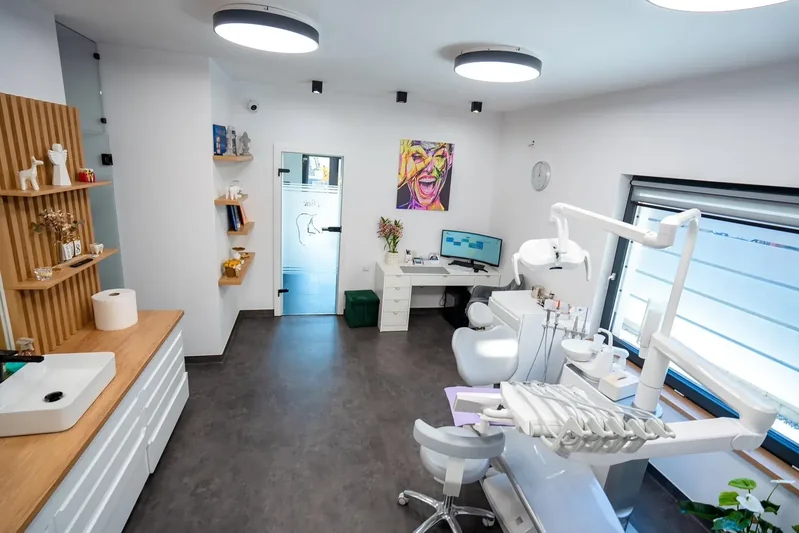
You are warmly welcome at any of our three modern clinics across the Târnava Mică valley! Patients are entirely free to choose whichever practice best aligns with their home location, workplace, or travel itinerary:
- Sovata (Strada Ghera nr. 10): Situated centrally in Sovata, just 3 minutes by car from the Bear Lake (Lacul Ursu) health resort. This clinic provides comprehensive restorative and aesthetic care, as well as dedicated Saturday morning urgent appointment availability (09:00–14:00) — ideal for local families, working professionals, and spa holidaymakers.
- Chibed (Nr. 195 A): Located right along the main road (DJ 135A) between Sovata and Sângeorgiu de Pădure. Offers effortless step-free ground-floor access (especially convenient for parents with strollers and elderly patients), ample roadside parking, and a calm, welcoming village setting.
- Sângeorgiu de Pădure (Strada Rozelor nr. 10): Centrally located in town, serving the surrounding communities with advanced restorative, pediatric, and prosthetic dentistry in a modern, friendly clinical environment.
Seamless Care: All three locations share the same unified patient record system and strict hygiene standards, meaning your diagnosis, digital documentation, and ongoing treatment plan can proceed interchangeably at whichever clinic is most convenient for you on any given day.
#3 What is the fastest and easiest way to book an appointment?
The fastest and most direct way to schedule an appointment is via direct telephone call or online messaging (WhatsApp & SMS):
- Direct Phone Line: Call +40 749 177 124 for our Sovata and Sângeorgiu de Pădure clinics, or +40 747 921 098 for Chibed. If our team is mid-procedure and cannot answer immediately, please do not worry — we review our missed call register after each appointment and return your call as soon as possible.
- Direct Messaging (WhatsApp & SMS): Click our Send Message button or text directly to +40 749 177 124 (via WhatsApp or SMS). Messaging is especially practical if you are reaching out outside clinic hours, or wish to share a clear photo of a chipped tooth or dislodged crown for initial triage.
To help us book you into the earliest suitable slot, please include:
- Your full name and best callback number;
- The nature of your visit (e.g. acute toothache, routine checkup, professional scaling, broken filling, child dental visit);
- Your preferred clinic location (Sovata, Chibed, or Sângeorgiu de Pădure);
- Your availability (e.g. mornings, late afternoons, or Saturday urgent slots).
#4 What should I do if I experience sudden tooth pain while vacationing in Sovata or Bear Lake?
A sudden, sharp toothache can quickly ruin a much-anticipated holiday or wellness getaway. If you experience unexpected dental pain while staying in Sovata, bathing at Bear Lake (Lacul Ursu), or visiting the health resort hotels, you do not need to cut your vacation short or spend hours traveling back and forth to Târgu Mureș.
Immediate First-Aid Measures While Contacting Us:
- Gently rinse your mouth with lukewarm, lightly salted water to remove trapped food debris from the painful area;
- Take an over-the-counter anti-inflammatory analgesic (such as ibuprofen or paracetamol) according to product instructions;
- Apply a wrapped ice pack to the outside of your cheek (10 minutes on, 10 minutes off) to soothe tissue inflammation;
- Never place an aspirin tablet or crushed painkiller directly against the gum tissue, as this causes severe chemical ulceration;
- Avoid hot compresses, very hot or iced beverages, and chewing on the sensitive side.
Immediate Clinical Care in Sovata: Call our Sovata practice immediately at +40 749 177 124. Located at Strada Ghera nr. 10 (only 3 minutes by car from the main resort hotels and Bear Lake), we prioritize holiday emergencies. We provide gentle local anesthesia, rapid pain relief, temporary protective fillings, and emergency pulp treatment so you can enjoy the rest of your vacation free of discomfort. We also provide Saturday morning emergency coverage (09:00–14:00).
#5 What should I do if an unforeseen event occurs and I need to reschedule or cancel?
We understand completely that unexpected situations arise — sudden illness, pressing family obligations, or travel disruptions can happen to anyone.
If you find that you cannot attend your scheduled appointment, we kindly ask that you inform us by phone or WhatsApp at +40 749 177 124 at least 24 hours in advance whenever possible.
Why Advance Notice Makes a Genuine Difference: Our practice operates on an individualized appointment scheduling system, dedicating generous, unhurried treatment time exclusively to each patient. When you notify us in advance, our reception team can offer that newly available time slot to a patient waiting in severe discomfort on our acute emergency list. At the same time, we will gladly help you reschedule your visit to the next convenient date and time across our Sovata, Chibed, or Sângeorgiu de Pădure clinics without any hassle.
🛡️ Prevention, Scaling & Oral Hygiene 5
#6 What should I do if my gums bleed when brushing or eating?
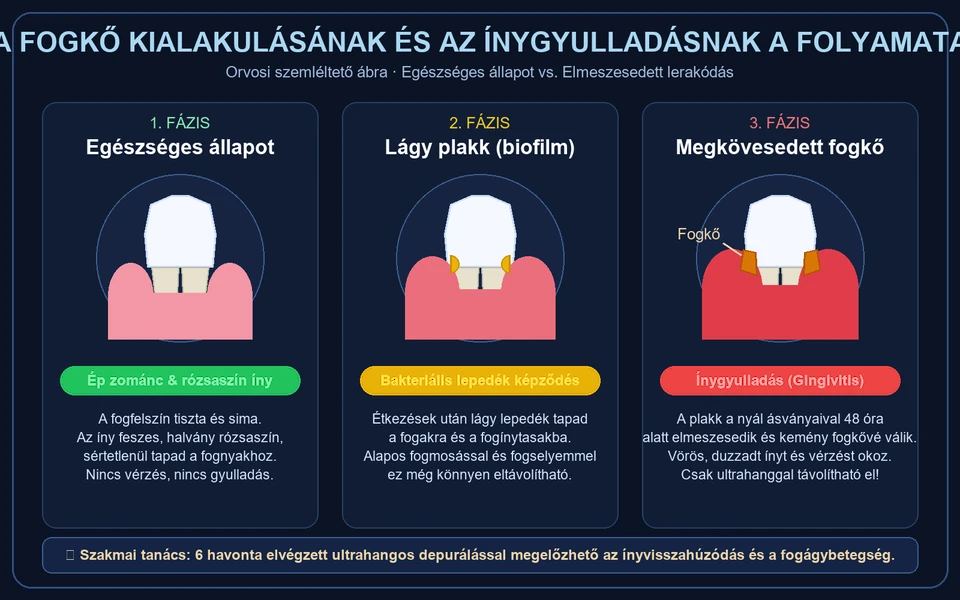
Bleeding gums when brushing, flossing, or biting into crisp foods (such as apples or bread crusts) is never normal. Bleeding is the primary clinical warning sign of gingivitis (gum inflammation), triggered by accumulated bacterial plaque along the gumline that has hardened into mineralized tartar (calculus).
The Dangerous Misconception: Many patients notice bleeding and mistakenly stop brushing or avoid touching the tender gum areas, believing they are allowing the tissue to heal. In reality, avoiding brushing allows bacterial plaque to multiply exponentially, causing the infection to penetrate deeper. Left untreated, chronic gingivitis inevitably progresses into periodontitis — an irreversible condition that destroys the underlying alveolar bone and leads to tooth mobility and tooth loss.
The Proven Clinical Solution:
- Professional Ultrasonic Scaling: Mineralized calculus cannot be removed at home with a regular toothbrush or floss. It must be dislodged in the dental clinic using gentle ultrasonic instrumentation and subgingival debridement;
- Airflow Micro-Polishing: Removes sticky bacterial biofilm and microscopic deposits from tight interdental spaces;
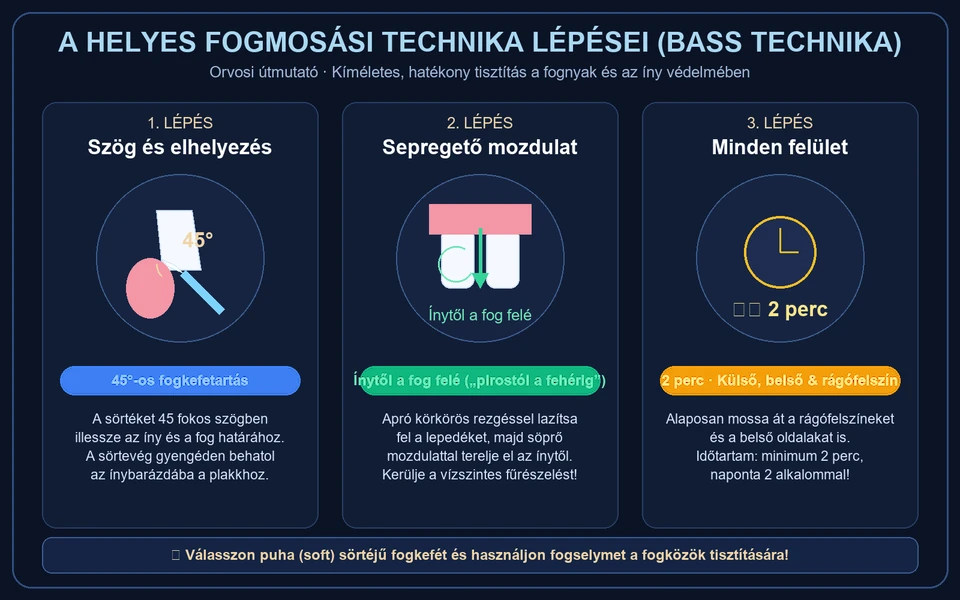
- Correct Daily Home Technique: Brush twice daily for a full two minutes using a soft-bristled toothbrush angled at 45 degrees towards the gumline (modified Bass technique);
- Interdental Cleaning: Incorporate daily dental flossing or interdental brushes between every tooth to clean surfaces a regular toothbrush cannot reach;
- For acute inflammation, a short 7 to 10-day course of an alcohol-free chlorhexidine mouthwash (0.12% to 0.20%) may be recommended under dental supervision.
#7 How long does ultrasonic scaling take, and what is the Airflow polishing procedure?
A comprehensive professional dental hygiene session at our clinics typically takes between 40 and 60 minutes, performed with gentle precision in three synergistic clinical steps:
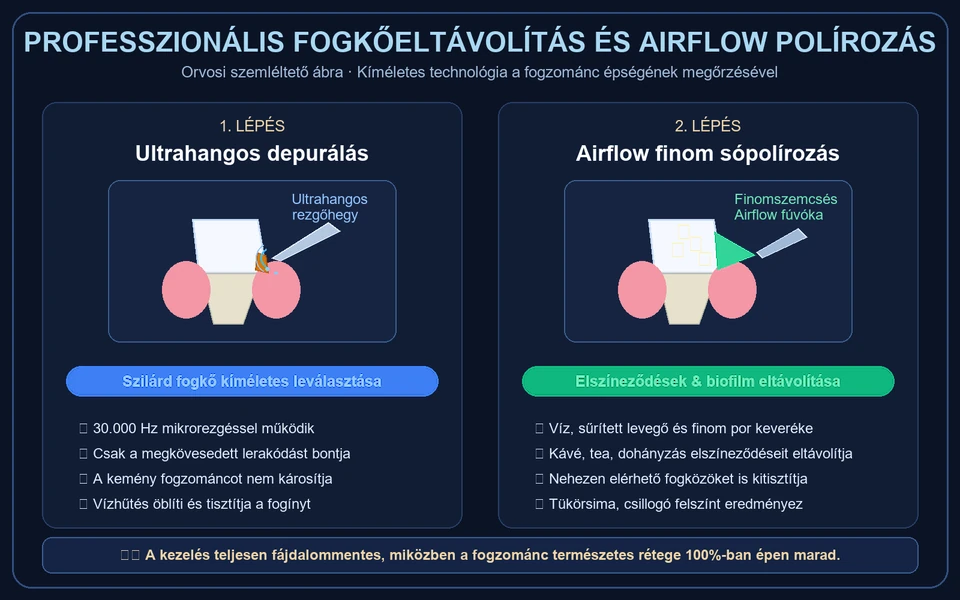
- Ultrasonic Scaling (Depuration): Using high-frequency microscopic vibrations combined with a cool, continuous water spray, our ultrasonic scaler breaks up and detaches hardened supragingival and subgingival tartar (calculus) without exerting harsh mechanical scraping. The microscopic acoustic cavitation bubbles also destroy bacterial cell walls, thoroughly sanitizing the gum pockets. This procedure is completely safe for natural enamel and causes zero structural damage.
- Airflow Powder Polishing: Following scaling, we utilize an advanced Airflow handpiece that emits a warm, pressurized jet of water, compressed air, and ultra-fine therapeutic powder (glycine or erythritol). This micro-spray effortlessly sweeps away stubborn dark stains caused by coffee, black tea, red wine, berries, and nicotine from deep enamel fissures, interproximal crevices, and around orthodontic brackets without scratching enamel or irritating delicate gums.
- Professional Polishing & Fluoride Finishing: We conclude with a soft rotating rubber cup and a high-gloss fluoride prophylaxis paste to buff all enamel surfaces mirror-smooth. Perfectly smooth enamel makes it significantly harder for new bacterial plaque to adhere, leaving your mouth feeling exceptionally fresh, clean, and noticeably brighter.
Comfort Note: The procedure is painless and very well-tolerated. For patients with hypersensitive root surfaces, a soothing topical numbing gel or local anesthetic can be applied for complete relaxation throughout.
#8 How often is it recommended to have a dental checkup and professional cleaning?
For patients with healthy teeth and healthy gums, the international gold standard in preventive dentistry is a comprehensive clinical examination and professional scaling every 6 months (twice a year).
Why the 6-Month Interval Is So Vital:
- Bacterial plaque biofilm gradually mineralizes into hard tartar within months, regardless of conscientious home brushing;
- Initial enamel cavities (demineralization) develop silently without causing pain or visible holes. Caught early during a 6-month recall, they can often be remineralized or restored with tiny, minimally invasive composite fillings before reaching the inner tooth nerve;
- Every checkup includes a thorough soft-tissue screening (tongue, cheeks, palate, and gums) to monitor oral mucosa health and detect abnormalities at the earliest stage.
Patients Benefiting from 3 to 4-Month Recalls: Certain individuals have higher clinical risk factors and achieve optimal health with checkups every 3 to 4 months:
- Individuals with a history of periodontitis (active periodontal maintenance);
- Smokers and frequent coffee/tea drinkers with rapid stain and calculus re-accumulation;
- Patients wearing fixed orthodontic braces or aligners;
- Expectant mothers, due to pregnancy gingivitis and hormonal vascular changes;
- Patients with extensive dental implants or multi-unit bridgework requiring close peri-implant monitoring.
#9 Is an electric or sonic toothbrush genuinely better than a manual toothbrush?
While an individual can theoretically achieve good oral hygiene with a manual toothbrush using flawless technique, extensive clinical research consistently demonstrates that modern sonic and oscillating-rotating electric toothbrushes deliver superior plaque removal, better gingival health, and far greater consistency for the vast majority of patients.
Core Clinical Advantages of Sonic and Electric Toothbrushes:
- Vibration Speed & Dynamic Fluid Action: A manual toothbrush delivers roughly 200–300 brush strokes per minute. In contrast, a modern sonic toothbrush generates between 30,000 and 40,000 microscopic brush strokes per minute. This high-frequency acoustic vibration creates dynamic micro-bubbles of water and toothpaste that reach deep into interdental spaces and beneath the gumline;
- Integrated Pressure Sensors: Many people unknowingly scrub too aggressively with manual brushes, causing irreversible enamel wear and receding gums. Quality electric toothbrushes feature smart pressure sensors that visually alert you or automatically slow down if you push too hard;
- Built-In 2-Minute Quad-Timers: The internal timer signals every 30 seconds to prompt you to move to the next quadrant of your mouth, guaranteeing you brush for the scientifically recommended full two minutes;
- Effortless Consistency: Especially beneficial for teenagers, older adults, individuals with arthritis or limited wrist mobility, and anyone wearing orthodontic braces.
Essential Clinical Reminder: Even the most advanced electric toothbrush cannot clean the tight contact points between your teeth. Daily flossing or interdental brush use remains mandatory for complete oral protection!
#10 Are dental treatments and local anesthesia safe during pregnancy and breastfeeding?
Yes, dental care during pregnancy is not only completely safe, but critically essential for the health of both mother and baby.
Why Dental Care Must Not Be Delayed During Pregnancy: During pregnancy, heightened levels of progesterone and estrogen increase blood flow to the gums, making them hyper-reactive to bacterial plaque. This frequently triggers swollen, bleeding, and tender gums known as pregnancy gingivitis. If ignored, chronic periodontal infections allow bacteria and inflammatory cytokines to enter the bloodstream, which peer-reviewed medical studies have linked to an increased risk of pre-eclampsia, low birth weight, and preterm birth.
Safe Treatment Protocols by Trimester:
- Second Trimester (Weeks 14–28): This is the ideal window for elective treatments, including tooth-colored composite fillings, ultrasonic scaling, and crown restorations. By this stage, fetal organogenesis is complete and reclining in the dental chair is comfortable;
- First and Third Trimesters: Acute dental pain relief, infection management, and gentle preventive cleanings are performed safely at any point during pregnancy. We simply defer non-urgent aesthetic procedures;
- Local Anesthesia: Modern dental anesthetics (such as articaine with dilute epinephrine) are rigorously proven safe for mother and fetus when administered properly. Effective local anesthesia is vital because untreated tooth pain causes maternal stress and adrenaline surges that harm fetal wellbeing far more than a local injection;
- Breastfeeding: Modern local anesthetics do not accumulate in breast milk in clinically significant concentrations. Mothers can safely nurse their infants immediately after dental appointments without any need to pump and discard breast milk.
💉 Treatments, Endodontics & Anesthesia 5
#11 Are dental treatments truly pain-free at Dr. Szőllősi Kriszta-Amália's clinics?
Yes, absolutely. Providing completely painless, gentle, and reassuring dental care is the cornerstone of our clinical philosophy. Dr. Szőllősi Kriszta-Amália understands that many patients carry lingering anxiety or distressing memories from past dental experiences, and our entire practice is dedicated to replacing fear with calm confidence.
Our Multi-Step Patient Comfort Protocol:
- Topical Pre-Numbing Gel: Before administering any injection, we apply a pleasant-tasting topical anesthetic gel to the gum tissue for 1 to 2 minutes. This profoundly desensitizes the surface, meaning you barely feel the tiny needle prick;
- Ultra-Fine Needles & Slow Infiltration: Pain during dental injections is caused by rapid tissue distension rather than the needle itself. We utilize ultra-thin needles and inject modern European local anesthetics (such as articaine) very slowly and smoothly, eliminating the sharp stinging sensation;
- Verification Before Beginning: We never commence drilling or treatment until we have tested the tooth and confirmed 100% complete numbness;
- The "Hand-Raise" Stop Agreement: You remain in complete control at every second of your visit. If you ever feel the slightest discomfort, need to swallow, or simply want a brief pause, you simply raise your left hand — and we stop immediately;
- Transparent, Unhurried Communication: We explain every step in advance, work at your own pace, and answer all questions with empathy and patience.
#12 Is root canal treatment (endodontics) painful, and how many appointments does it require?
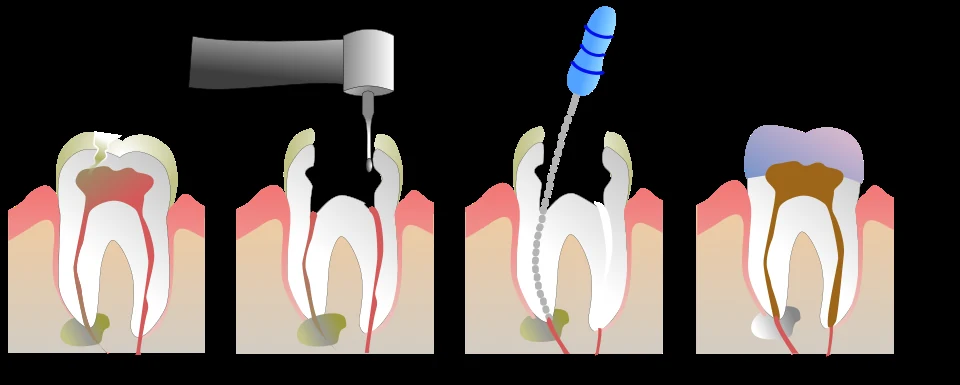
There is a persistent myth that root canals are agonizing. In reality, modern root canal treatment does not cause pain — it permanently relieves agonizing pain! The acute, throbbing toothache associated with an inflamed tooth is caused by bacterial pressure inside the enclosed dental pulp (pulpitis). Once our modern local anesthesia takes effect, the procedure is as quiet, comfortable, and painless as receiving a standard filling.
The Biological Goal: Root canal therapy aims to save your natural tooth from extraction. Preserving the natural tooth root maintains your natural chewing sensation, prevents bone loss in the jaw, and avoids the need for costlier bridges or implants.
Step-by-Step Clinical Procedure:
- Isolation with Dental Dam: The tooth is isolated using a dental dam (rubber dam) sheet to ensure a sterile, dry environment and prevent mouth bacteria or saliva from entering the canals;
- Micro-Instrumentation: Using electronic apex locators and flexible rotary nickel-titanium (NiTi) micro-files, the infected pulp tissue is meticulously removed and the root canals are sculpted to their microscopic tip;
- Antimicrobial Irrigation: Warm antiseptic solutions (such as sodium hypochlorite) are flushed through the canal system to eliminate microscopic bacteria from lateral canal branches;
- 3D Hermetic Sealing (Obturation): The cleaned canals are tightly packed with biocompatible natural gutta-percha and sealing cement to permanently block bacterial reinfection;
- Duration: Most teeth are completed in 1 to 2 sessions (60 to 90 minutes each), depending on the severity of infection and root complexity;
- Coronal Reinforcement: Because root-canal-treated teeth lose internal hydration and become brittle over time, we strongly recommend reinforcing the tooth with a fiberglass post and an aesthetic porcelain onlay or zirconia crown to prevent coronal fractures under chewing loads.
#13 What aftercare rules should I follow after a tooth extraction to ensure rapid healing?
Careful post-extraction care is crucial to ensure rapid, complication-free healing and prevent painful conditions such as dry socket (alveolar osteitis). After a tooth is extracted, your body forms a protective blood clot in the empty socket, which acts as a biological scaffold to protect underlying bone and nerve endings while new gum tissue forms.
Immediate Protocol for the First Hours:
- Bite firmly on the sterile gauze pack placed over the socket for 30 to 45 minutes, then gently discard it;
- Keep your head elevated with an extra pillow when resting;
- If slight oozing continues, place a clean, folded sterile gauze pad or a moistened black tea bag over the socket and bite down gently for another 30 minutes (tannic acid in tea promotes clotting).
Crucial Rules for the First 48 Hours:
- DO NOT vigorously rinse your mouth, spit forcefully, or drink through a straw. Negative oral pressure or strong swishing will dislodge the fragile blood clot, exposing raw alveolar bone and causing excruciating dry socket pain;
- Avoid smoking and alcohol completely for at least 48 to 72 hours: Nicotine constricts micro-capillaries, severely delaying tissue oxygenation, while smoke suction dislodges the clot;
- Diet: Eat cool, soft foods (such as lukewarm purees, soups, scrambled eggs, yogurt). Avoid hot foods, spicy dishes, carbonated drinks, and foods with small seeds or nuts that can lodge in the socket;
- Avoid hot baths, saunas, and strenuous exercise: Elevated blood pressure can restart socket bleeding;
- Oral Hygiene: Brush your remaining teeth gently, but carefully steer clear of the extraction wound for the first 3 days. From the second day onward, you may gently bathe your mouth with lukewarm salt water, tilting your head and letting it fall passively into the sink without spitting.
#14 When can I bathe in the salt lakes or Bear Lake in Sovata after a tooth extraction?
Following a tooth extraction or minor oral surgery, you must strictly refrain from swimming in the heliothermal salt water of Bear Lake (Lacul Ursu), soaking in warm salt pools, or using spa saunas for at least 4 to 5 days.
Why Salt Bathing and Spa Heat Pose Severe Risks Post-Extraction:
- Vasodilation & Secondary Hemorrhage: Hot water, thermal salt baths, and saunas raise your core body temperature and cause peripheral blood vessels to dilate significantly. This surges blood pressure in the head and jaw, readily dissolving or expelling the fragile blood clot and triggering acute secondary bleeding;
- Risk of Bacterial Wound Infection: While salt has mild natural antiseptic properties, natural outdoor lakes and public spa baths inevitably carry organic particles, environmental microflora, and bathers' skin bacteria. Submerging an open extraction wound in lake or pool water exposes bone tissue to bacterial contamination;
- Osmotic Irritation: High salinity in direct contact with exposed alveolar bone and healing capillaries creates severe local pain, stinging, and tissue inflammation.
When Can You Safely Return to the Water? Once the initial healing window has passed (typically 5 to 7 days) and the gum epithelium has begun closing cleanly over the socket, bathing in Bear Lake is safe. In fact, inhaling the pure, microclimatic salt aerosols of Sovata around the lake is wonderful for overall well-being. Always check with Dr. Szőllősi Kriszta-Amália before your first swim!
#15 Do you have an on-site X-ray machine, and should I bring existing radiographs to my visit?
Important Clinical Information: In strict alignment with modern radiation protection guidelines and patient safety protocols, our dental practices in Sovata, Chibed, and Sângeorgiu de Pădure do not operate on-site X-ray equipment. This deliberate standard ensures that our patients are never exposed to routine or unnecessary radiation within our clinics.
Our Comprehensive Diagnostic Workflow:
- During your initial consultation, Dr. Szőllősi Kriszta-Amália performs an extensive physical, visual, and tactile clinical examination of your teeth, periodontal tissues, and oral mucosa;
- Whenever diagnostic radiography is clinically indicated — such as evaluating impacted wisdom teeth, detecting hidden interproximal cavities between molars, inspecting root canal curvature, or planning bone volume for dental implants — we refer you directly to certified digital imaging centers located in the immediate region;
- These specialized radiology centers utilize cutting-edge digital panoramic units (OPG) and 3D Cone Beam Computed Tomography (CBCT) scanners that emit up to 80% lower radiation doses compared to traditional dental X-ray units.
Bringing Your Existing X-Rays: If you have undergone a dental panoramic X-ray or CBCT scan within the past 6 to 12 months, please bring the digital file along (on a USB flash drive, CD, or saved on your smartphone) or email it to our clinic in advance. Recent scans are often fully sufficient for diagnostic planning, saving you both time and duplicate costs!
👑 Prosthetics, Aesthetics & Implants 5
#16 What is the difference between a metal-ceramic crown and a zirconia crown?
Both metal-ceramic and zirconia crowns are designed to rebuild heavily broken-down, fractured, or root-canal-treated teeth, but they differ fundamentally in terms of aesthetics, biocompatibility, and material behavior:
- Zirconia Crowns (Zirconium Dioxide – The Modern Aesthetic Benchmark):
- 100% Metal-Free & Biocompatible: Pure ceramic oxide material that is entirely hypoallergenic, eliminating any possibility of metal sensitivities, galvanism, or gum discoloration;
- Natural Light Translucency: Zirconia reflects and transmits light similarly to natural tooth enamel, blending seamlessly with adjacent teeth in daylight and photography;
- No Gray Gumline Discoloration: With metal-ceramic crowns, natural gum recession over time reveals an unsightly dark gray metallic line along the gum margin. Zirconia has a tooth-colored core, ensuring your gumline remains natural, pink, and beautiful for decades;
- CAD/CAM Precision: Digitally designed and computer-milled from a solid monolithic block, providing microscopic marginal precision and exceptional fit.
- Metal-Ceramic Crowns (Porcelain-Fused-to-Metal):
- Time-Tested Durability: Features a cast medical alloy coping overlaid with porcelain, providing exceptional mechanical resistance against heavy chewing forces;
- Cost-Effective Solution: Offers a more economical price point, making it a reliable choice for posterior molars where cosmetic translucency is less critical.
Clinical Recommendation: We strongly recommend zirconia crowns for all front teeth, premolars, and patients desiring maximum lifelike aesthetics or those with known metal allergies.
#17 Is professional in-office teeth whitening safe for natural enamel (Philips Zoom)?
Yes, absolutely. When conducted under dental supervision in the clinic, professional in-office teeth whitening (including world-renowned systems such as Philips Zoom) is 100% safe for both natural tooth enamel and gingival tissues.
The Chemistry of Professional Whitening vs. Abrasive DIY Methods:
- Over-the-counter whitening toothpastes, activated charcoal powders, and baking soda remedies work through mechanical abrasion — scratching away microscopic layers of enamel, leading to permanent thinning, increased roughness, and faster re-staining;
- Professional in-office whitening relies on a chemically balanced hydrogen or carbamide peroxide gel. The active gel safely diffuses through microscopic enamel prism pores into the underlying dentin, breaking the double chemical bonds of dark organic pigment molecules (chromophores) through gentle oxidation;
- This process dissolves stubborn internal stains without removing mineral calcium or altering the natural crystal structure of your enamel.
The In-Clinic Procedure:
- We perform a clinical checkup and professional scaling to ensure teeth are free of calculus and surface debris;
- A light-cured protective resin barrier (liquid dam) is carefully applied along the gums and lips to protect soft tissue;
- The whitening gel is applied to the teeth and activated with a specialized LED light in 3 to 4 cycles of 15 minutes, achieving up to 4 to 8 shades of whitening in a single 60-minute visit;
- We conclude with an amorphous calcium phosphate (ACP) fluoride desensitizing gel that remineralizes enamel and soothes transient sensitivity.
The 48-Hour "White Diet": For the first 48 hours following whitening, enamel pores remain slightly permeable. Patients must strictly avoid strongly pigmented foods and drinks (coffee, black tea, red wine, paprika, soy sauce, cola, berries, and tobacco) to lock in brilliant, long-lasting results.
#18 How are dental implants placed, and when is the permanent crown attached?
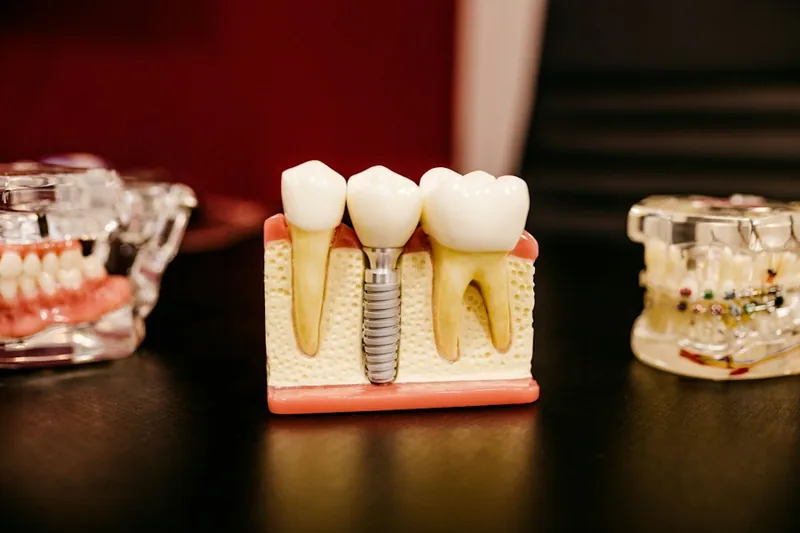
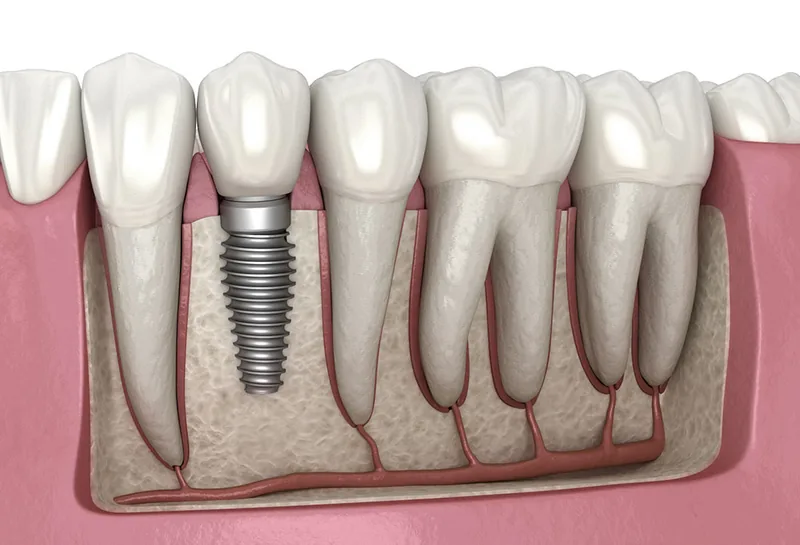
A dental implant is the gold standard medical solution for replacing one or more missing teeth. It consists of a biocompatible titanium artificial root surgically anchored into the jawbone, eliminating the need to grind down adjacent healthy teeth for a bridge and halting localized jawbone resorption.
The Step-by-Step Treatment Journey:
- Diagnostic Planning: We evaluate your dental health, bite dynamics, and 3D CBCT scans to assess bone width and density. If bone volume has receded from long-standing tooth loss, bone grafting or sinus lifting may be discussed;
- Painless Surgical Insertion: Under profound local anesthesia, the titanium fixture is gently threaded into the prepared bone bed. The procedure is completely painless, typically taking just 30 to 45 minutes;
- Osseointegration (Healing Phase): Over a period of 3 to 6 months, living bone cells attach and fuse solidly to the microscopic pores of the titanium surface (osseointegration), creating a permanent biological anchor capable of withstanding full chewing forces;
- Gingival Contouring: A small healing abutment is placed for 1 to 2 weeks to shape a natural, healthy gum collar around the implant;
- Digital Scanning & Abutment Connection: A precision digital scan or impression is taken, and a custom titanium or zirconia connector (abutment) is secured into the implant;
- Permanent Aesthetic Crown: A lifelike zirconia or ceramic crown is screwed or cemented into place, perfectly matching your surrounding natural teeth in shape, shade, and contour.
Longevity: With diligent daily brushing, flossing, and bi-annual dental cleanings, dental implants boast a clinical success rate exceeding 98% and can last a lifetime.
#19 Is adult orthodontic treatment and clear aligners still worth it?
Yes, without question — orthodontic treatment has no upper age limit! Today, more than one in three orthodontic patients worldwide are adults who want to enhance both their dental aesthetics and long-term oral health.
Why Teeth Straightening Is Far More Than Cosmetic:
- Periodontal Protection & Effortless Cleaning: Crowded, overlapping, or rotated teeth create inaccessible plaque traps that regular brushing and flossing cannot reach. Aligning teeth eliminates food impaction zones, dramatically reducing gingivitis, tartar formation, and premature bone loss;
- Preventing Abnormal Tooth Wear: A misaligned bite (malocclusion) concentrates chewing forces unevenly, causing chipped incisal edges, enamel micro-fractures, and gumline abfractions;
- Relieving Jaw Joint (TMJ) Pain: Correcting bite alignment relieves chronic tension in the masticatory muscles, resolving temporomandibular joint clicking, neck tightness, and recurring tension headaches.
Modern, Discreet Treatment Options for Adults:
- Transparent Clear Aligners: Custom-made, removable clear plastic aligner trays that gradually shift teeth into ideal alignment. They are virtually invisible, comfortable, and can be removed for eating, brushing, and important business meetings;
- Aesthetic Ceramic Brackets: Tooth-colored brackets made from monocrystalline ceramic or sapphire that blend subtly with natural enamel.
Treatment Duration: Adult orthodontic treatments typically range from 6 to 18 months depending on case complexity. It is an investment that preserves your natural teeth and facial aesthetics for decades to come.
#20 I wake up with tight jaws and worn teeth — what can be done about nighttime teeth grinding (bruxism)?
Waking up with stiff, sore jaw muscles, dull temporal headaches, sensitive teeth, or noticing that your front teeth are becoming flatter, chipped, or thinning at the edges are classic clinical symptoms of nighttime bruxism (sleep-related teeth clenching and grinding).
Causes & Long-Term Complications of Bruxism:
- Bruxism affects a large percentage of adults and is primarily triggered by chronic daily stress, subconscious sleep micro-arousals, or minor bite discrepancies;
- During sleep, masticatory muscles can exert biting forces up to 3 to 4 times greater than conscious daytime chewing. Over time, this intense pressure causes fractured tooth cusps, cracked fillings, enamel chipping, gumline notch lesions (abfractions), gum recession, and chronic TMJ joint disorders (clicking, popping, or morning lockjaw).
The Proven Clinical Solution: Custom Nightguard (Occlusal Splint):
- The most effective, non-invasive treatment is a custom-molded occlusal nightguard fabricated in our dental laboratory from an exact impression of your teeth;
- Unlike bulky, ill-fitting over-the-counter boil-and-bite mouthguards, our custom splints feature a comfortable dual-layer design: a soft inner layer that cushions your teeth and a durable hard acrylic outer layer;
- The splint acts as a protective shock absorber, preventing direct tooth-on-tooth friction, redistributing bite pressure evenly across the dental arch, and allowing fatigued jaw muscles to relax completely throughout the night.
Helpful Lifestyle Tips: Practicing evening relaxation routines, avoiding caffeine and alcohol before sleep, and applying gentle warm compresses to the jaw muscles can significantly accelerate symptom relief.
🧸 Pediatric Dentistry, Costs & Useful Info 5
#21 At what age should a child have their very first dental visit?
International pediatric dental associations (including the AAPD) recommend scheduling a child's very first dental visit upon the eruption of their first baby tooth, or around their first birthday (age 1 to 2) at the latest.
The Purpose of the First Visit (Playful Familiarization, Never Invasiveness):
- The primary objective of an early dental visit is positive, playful adaptation, not invasive treatment. We introduce your child to the dental environment in a joyful, cheerful atmosphere;
- The child gets to sit on a parent's lap, take a fun ride up and down in the dental chair, see the little mirror and light as playful helpers, and count their teeth with Dr. Szőllősi Kriszta-Amália;
- Experiencing the clinic early when there is zero tooth pain prevents the development of "white-coat" dental anxiety, fostering lifelong trust and cooperation.
Invaluable Preventive Guidance for Parents: During this introductory consultation, we provide parents with personalized advice on:
- How to brush tiny toddler teeth effectively with age-appropriate fluoride toothpaste;
- How to prevent early childhood caries (baby bottle tooth decay caused by prolonged nighttime bottles containing milk, sweetened tea, or juice);
- Guidance on pacifier use, thumb-sucking habits, and easing teething discomfort.
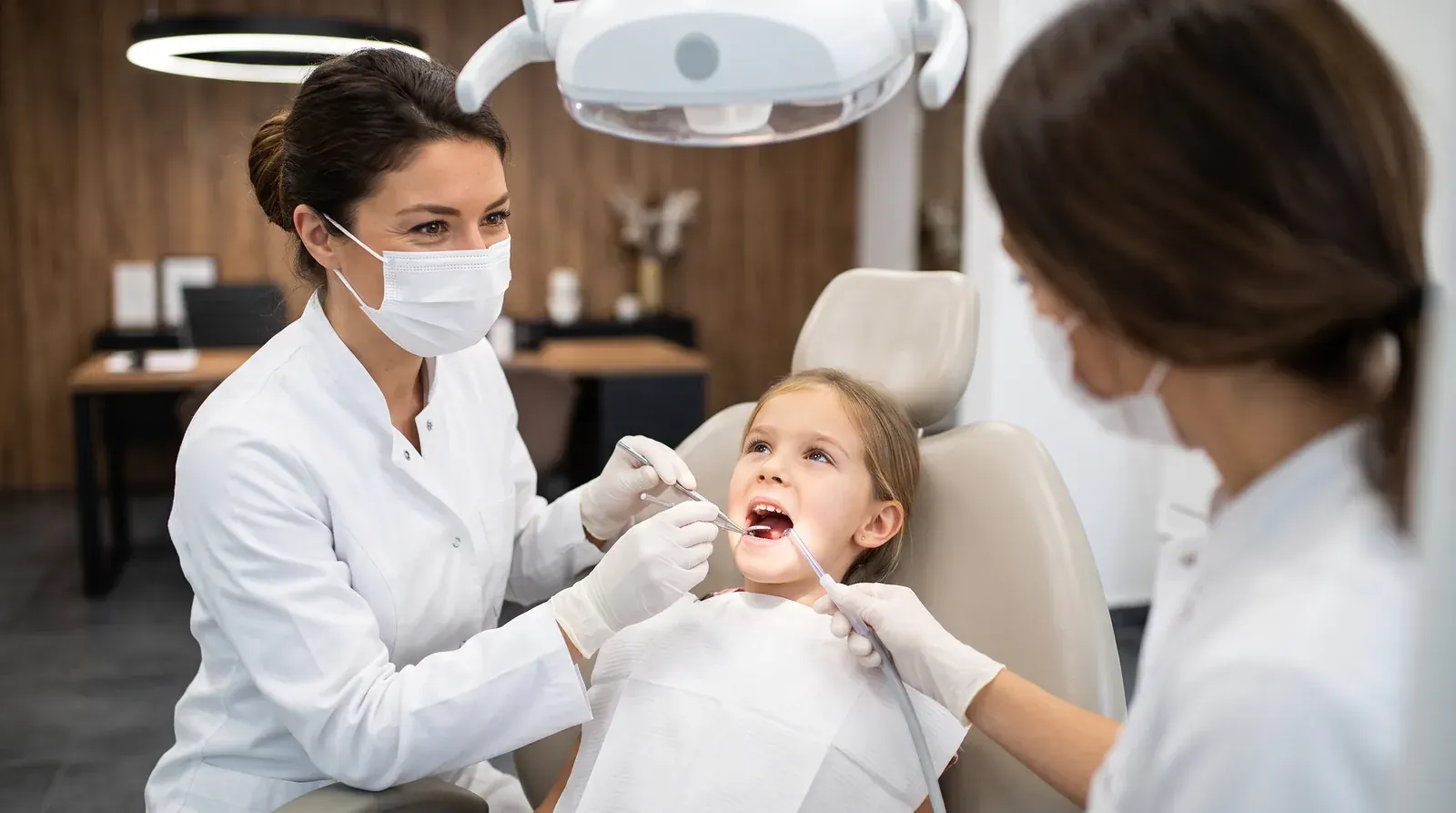
#22 Why is caring for primary (baby) teeth so important, and what is dental fissure sealant?
The Dangerous Myth of "They'll Fall Out Anyway": A widespread misconception is that deciduous (baby) teeth do not require treatment because they will eventually be replaced by permanent teeth. Neglecting baby teeth carries serious clinical consequences:
- Natural Space Maintainers: Baby teeth hold vital space in the jaw for incoming permanent teeth. If a primary molar is lost prematurely to decay, adjacent teeth shift into the space, causing severe crowding, impaction, and complex orthodontic problems later;
- Chewing & Speech Development: Healthy primary teeth are essential for thorough chewing, proper digestion, and clear phonetic speech acquisition;
- Protecting Permanent Tooth Buds: A severe infection or abscess on a primary tooth root can directly damage the developing permanent tooth bud forming immediately beneath it inside the jawbone.
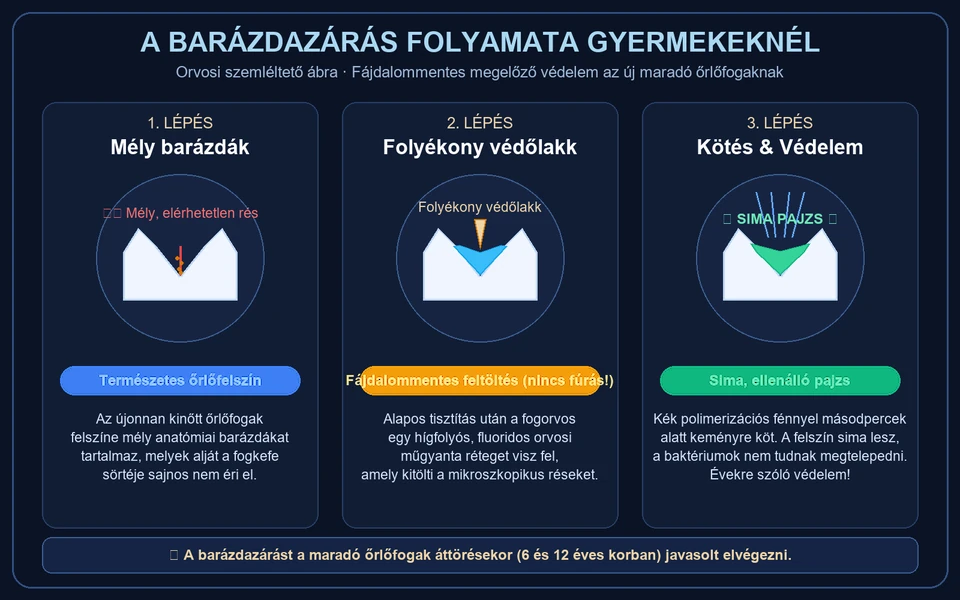
What Is Dental Fissure Sealant?
- Fissure sealing is a gentle, highly effective preventive treatment for permanent molars (which typically erupt around ages 6 and 12);
- The chewing surfaces of newly erupted molars contain deep, narrow microscopic fissures and pits that toothbrush bristles cannot reach, making them prone to early decay;
- The Procedure: Completely drill-free, needle-free, and 100% painless. The fissures are cleaned, conditioned, and coated with a fluid protective resin that is hardened with a curing light;
- This seals the deep crevices against food debris and bacteria, reducing molar cavity risk by up to 80%!
#23 How are treatment fees determined, and will I receive an upfront cost estimate?
At our clinics in Sovata, Chibed, and Sângeorgiu de Pădure, complete financial transparency and mutual trust are core principles of our medical practice.
How Pricing and Treatment Planning Work:
- Every patient begins with a comprehensive clinical examination to identify all dental conditions, underlying causes, and viable restorative options;
- Dr. Szőllősi Kriszta-Amália discusses all viable treatment alternatives with you, explaining the clinical benefits, materials, expected longevity, and costs of each option;
- Before beginning any extensive procedure (such as root canal treatment, crowns, bridges, dentures, or cosmetic work), you receive a clear, itemized written treatment plan and fee estimate detailing each stage of care;
- We maintain a strict no-surprise policy: there are never hidden add-on fees, and any unexpected clinical discoveries encountered during treatment are discussed and agreed upon with you before proceeding.
#24 Can treatments be reimbursed through Romanian public health insurance (CNAS / CAS)?
Under the Romanian public healthcare framework (CNAS / CAS Mureș), public dental insurance allocations for private dental clinics are legally subject to strict monthly financial ceilings and quotas that are rapidly exhausted each month.
Our Practice Model & Quality Commitment:
- To guarantee uncompromised clinical quality, dedicated unhurried appointment times, strict European sterilization protocols, and premium biocompatible materials (such as German and Swiss restorative composites and ceramics), our practices operate primarily as independent private dental clinics;
- When scheduling your appointment, our front desk team will gladly inform you regarding the current status of any active public coverage arrangements or required physician referrals (bilet de trimitere);
- For all treatments performed, we provide complete, officially compliant fiscal invoices (factură fiscală) and itemized receipts, which eligible insured patients can submit to statutory health programs or municipal health funds where applicable.
#25 I hold international private medical or dental insurance — do I receive official invoices and medical documentation?
Yes, absolutely! Our clinics regularly provide comprehensive dental care to expatriates, cross-border workers living in Germany, Austria, the UK, Switzerland, Hungary, or across Europe, as well as international tourists visiting Sovata Health Resort.
Complete Documentation & International Reimbursement Support:
- For every procedure completed, we issue an official, fully itemized fiscal invoice (factură fiscală) accompanied by a fiscal cash/card receipt;
- Upon request, our team provides detailed bilingual medical treatment reports, diagnostic documentation, and treatment summaries in English, Hungarian, or Romanian;
- We include international diagnostic and procedure codes (such as standardized ICD diagnostic codes and dental procedure descriptors) directly compatible with major international private insurance providers (e.g. Allianz, Bupa, Cigna, AXA, DKV, UNIQA, Generali);
- If your insurer requires a pre-authorization estimate (treatment plan / Kostenvoranschlag) or a signed claims form, we will gladly complete and sign the necessary paperwork for you.
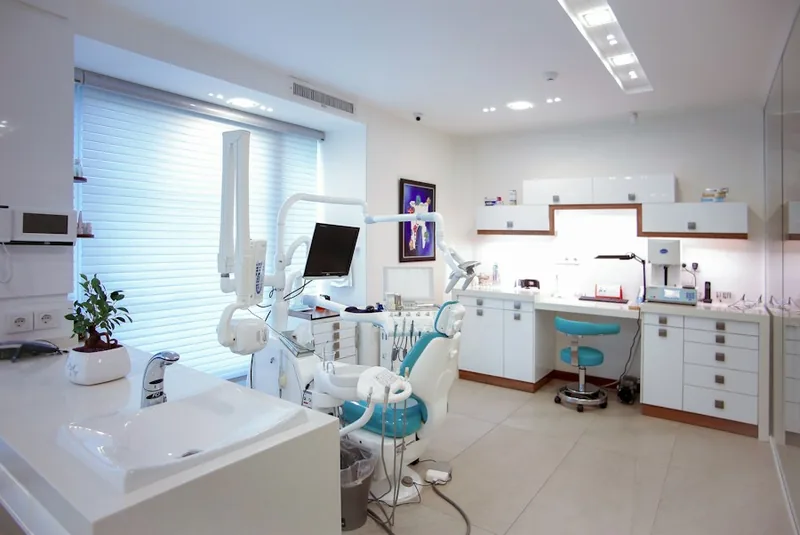
Sovata Dental Clinic Tour
Discover our peaceful atmosphere, modern dental equipment, and gentle, personalized patient care.
Didn't find the answer to your question?
We are happy to answer your questions directly and provide tailored advice for your healthy smile.
